Does Insurance Cover Water Damage Restoration? A Comprehensive Guide
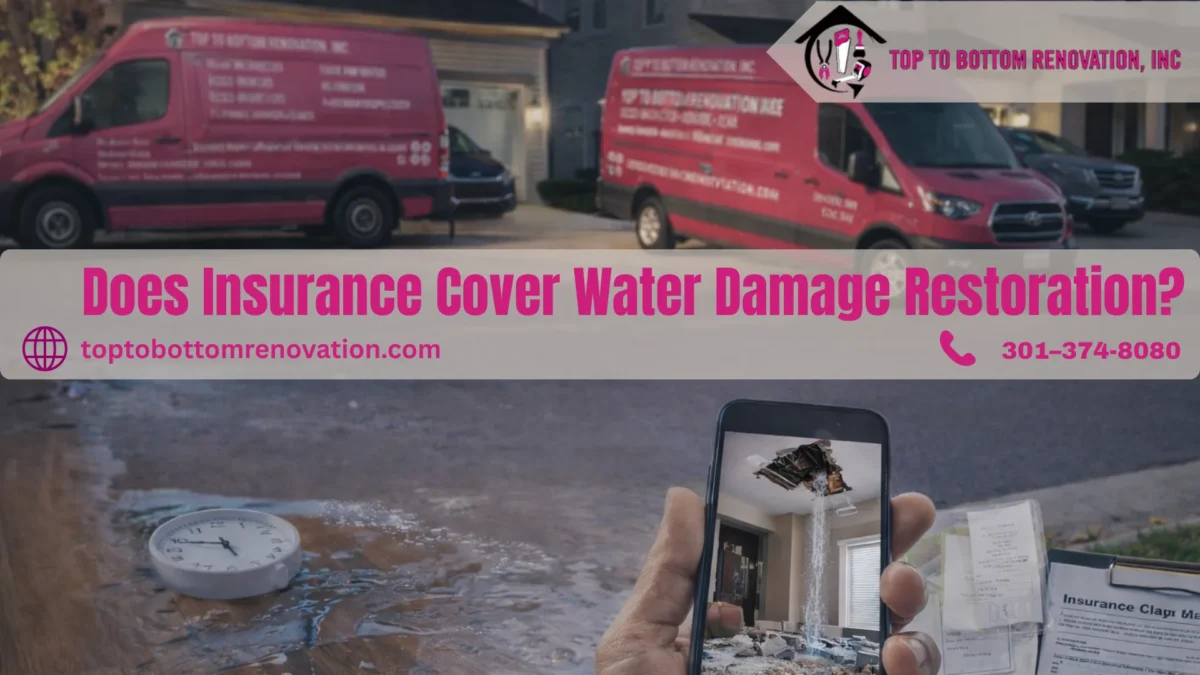
Insurance covers sudden, accidental water damage, not gradual neglect. Act fast: document, stop the source, call restoration, and keep receipts for claims.
Imagine a slow drip in the ceiling that you’ve been ignoring for a week, then a puddle appears. You might think: Does insurance cover water damage restoration? Who cleans the mess?
Well, you need a clear, honest answer. Let’s learn whether insurance covers that and what actually happens next. Here you go!
The Significance of Insurance in Water Damage Restoration
Types of Water Damage
Not every situation counts. Many standard homeowner policies cover sudden and accidental events. Examples: a water heater explodes, a supply line to the washing machine rips, or a storm blows a window out, and rain floods inside.
If the water is gross, it may still be covered, but companies treat it differently because of health risks. So, document everything. Pictures, timestamps, and a note of when the problem started can actually help.
Limits, Deductibles, and Surprises
Coverage is not infinite. There are things per category and deductibles that come out of pocket. Sometimes, insurers approve initial cleanup but not full replacement of materials.
Expect back-and-forth. Also, ask whether temporary fixes will be covered. That question often slips out after the immediate panic fades. And yeah, pile up receipts. Even the smallest expense can tip the balance.
Insurer and Water Restoration Service
Once a claim is filed, an adjuster may inspect. A professional water restoration service will often be called in to assess, dry, and repair. The service documents the damage — and yes, that paperwork can decide whether the insurer pays for full restoration or only partial fixes.
Responders who know how to show clear cause-and-effect with photos, moisture readings, and timelines actually make claims smoother. Insurers don’t like drama; they like evidence.
Know the Whole Story
Can water damage be claimed on insurance? Well, insurance often covers sudden, accidental water damage. Think of burst pipes or a malfunctioning appliance that floods a kitchen.
But if the water problem comes from long-term neglect, like a roof leaking for months, that can create an issue for insurance. This is where “covered” becomes messy. The emotional part? People assume coverage and then get a bill.
Quick Checklist of Overlooked Stuff
Turn off the water source if it is safe. Call a restoration service. Take photos, move valuables, and keep receipts. One more thought — there is also a timeline factor.
Factors that impact the time of water damage restoration include severity, materials affected, and how fast drying starts. Faster action often means a smaller claim and less chaos.
Insurance Usually Says No to Gradual Damage
Slowly worsening leaks, long-term mold from an ignored leak, or damage from poor maintenance are common rejects. Also, some policies exclude flood damage from rising water, which is a separate policy entirely.
People sometimes discover this when filing a claim and feeling betrayed. It is not personal; it is policy wording. Read the fine print or ask someone.
Summing Up!
Let’s be honest! Water damage gets covered, and how fast someone acts matters a lot. Remember, a little attention today saves a lot of late-night calls tomorrow. So, call us today for expert water restoration service.
Popular Posts
September 7, 2026
August 14, 2026
Leave a Reply