What Does a Sewage Cleanup Service Include?
Summary:
A sewage cleanup service involves more than just removing waste. It includes inspection, safe extraction, deep cleaning, disinfection, drying, and full restoration. Professionals use specialised equipment and strict safety protocols to eliminate hazards, prevent contamination, and restore affected areas to a clean, liveable condition.
Sewage backups are not just unpleasant—they pose serious health risks and can cause lasting property damage if not handled correctly. Whether caused by blocked drains, flooding, or system failures, sewage contamination requires immediate and professional attention. Understanding what a sewage cleanup service includes can help you act quickly and ensure your space is restored safely and effectively.
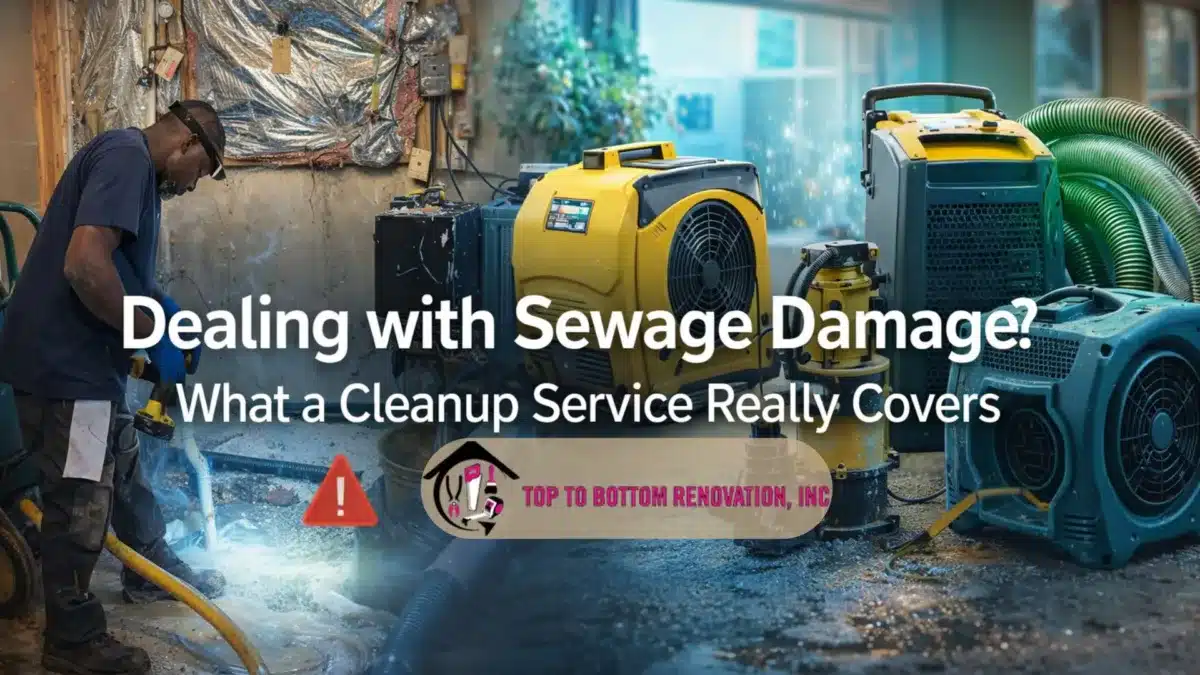
Dealing with Sewage Damage? What a Cleanup Service Really Covers
Initial Assessment and Safety Measures
The first step in any sewage cleanup process is a thorough inspection of the affected area. Professionals assess the extent of contamination, identify the source of the problem, and determine the level of damage. This step is critical for creating a tailored cleanup plan.
As a trusted disaster restoration service provider, we are well aware of the amount of risk involved in such projects. Therefore, we prioritize safety from the very start of a restoration project. Our technicians wear protective gear and isolate contaminated zones to prevent cross-contamination. This ensures that harmful bacteria and pathogens do not spread to unaffected areas of the property.
Sewage Removal and Waste Extraction
Once the assessment is complete, the next step is removing all standing sewage and contaminated water. High-powered pumps and vacuum systems are used to extract waste quickly and efficiently. This reduces the risk of further damage and helps prepare the area for cleaning.
Solid waste and debris are also carefully removed and disposed of according to health and environmental regulations. Proper disposal is essential to avoid additional contamination or legal issues.
Deep Cleaning and Disinfection
Many homeowners often wonder, “How do experts disinfect and restore areas after sewage damage?” They use industrial-grade disinfectants, specialized equipment, and proven cleaning methods to eliminate harmful bacteria and safely restore affected surfaces.
After waste removal, all contaminated surfaces—including floors, walls, and furniture—are thoroughly cleaned. Our professionals use advanced cleaning agents designed to break down harmful microorganisms and eliminate odors at the source.
Disinfection is a critical part of the sewage cleanup process. It ensures that bacteria, viruses, and other pathogens are completely eradicated, making the environment safe again. This step often involves multiple treatments to guarantee effectiveness.
Drying and Dehumidification
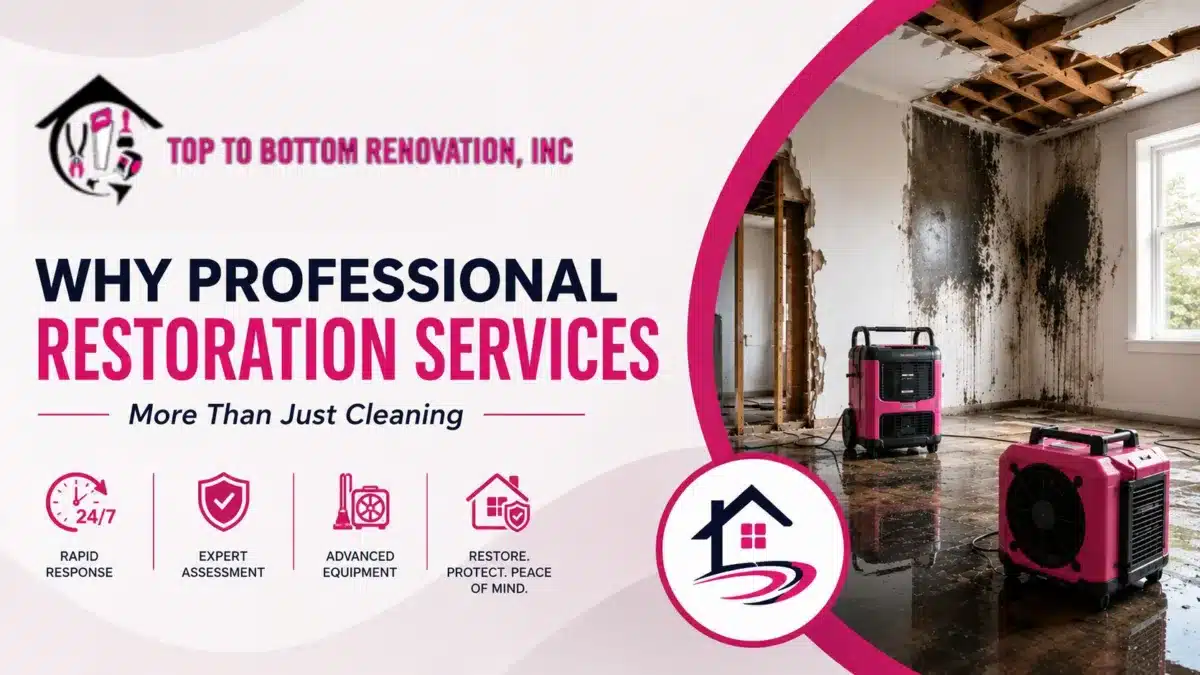
Moisture left behind after sewage exposure can lead to mold growth and structural issues. To prevent this, technicians use industrial-grade drying equipment such as air movers and dehumidifiers.
The drying process is carefully monitored to ensure that all hidden moisture pockets are addressed. This step not only protects the structure of the property but also improves indoor air quality.
Damage Repair and Restoration
Once cleaning and drying are complete, the focus shifts to restoring the affected area. This may involve repairing or replacing damaged materials such as drywall, flooring, or insulation.
In severe cases, full reconstruction of certain sections may be necessary. The goal is to return the property to its pre-damage condition, both in terms of safety and appearance.
Long-Term Protection and Hidden Risk Management
Property owners should also know about the long-term benefits of hiring professionals to clean up sewage. These services do more than just fix things right away; they also help keep you healthy and protect the structure of your property. Sewage contamination can seep into hidden areas such as subfloors, wall cavities, and HVAC systems, where it may not be visible but can continue to pose risks if left untreated. Professional teams have the expertise and tools to detect and address these hidden issues effectively.
Advanced tools and methods for a thorough cleanup
Another big benefit is that it uses cutting-edge technology and methods that have been approved by the industry. Professionals use everything from moisture meters to thermal imaging devices to make sure that no affected area is missed. This level of accuracy greatly lowers the risk of problems happening again, like mold growth or bad smells that stick around after cleanup is done wrong.
Cutting Down on Time, Money, and Stress
Also, hiring professionals can save you time, stress, and money in the long run. If you try to clean up sewage damage without the right tools or knowledge, you might not be able to finish the job and run into more problems. Professional services make the whole process easier and make sure that everything is done quickly and safely.
Final Inspection and Prevention Advice
Before completing the job, professionals conduct a final inspection to ensure all areas are fully cleaned, disinfected, and restored. They may also provide guidance on preventing future sewage issues, such as regular maintenance or system upgrades.
A sewage cleanup service is a comprehensive process that goes far beyond basic cleaning. Acting quickly and relying on trained professionals ensures the best possible outcome in what can otherwise be a highly stressful situation. If you ever need guidance or support with sewage damage. Our team is here to help you understand the process and move forward with clarity.
Popular Posts
September 7, 2026
August 14, 2026
Leave a Reply