What Is Included in Water Damage Restoration: A Comprehensive Guide
Summary:
Water damage restoration is a systematic process. It removes excess water, dries affected areas, cleans and sanitizes surfaces, and restores your property to a safe condition. Responding quickly, relying on professional expertise, understanding insurance coverage, and addressing health, safety, and structural concerns are essential for reducing damage and ensuring a successful restoration.
Homes periodically require significant work as colours fade, materials age, and taste
Water damage can be a nightmare for every homeowner. It leads to costly repairs and potential health hazards. Damage is basically caused by a burst pipe, a leaky roof, or flooding. Addressing this kind of water damage promptly is crucial.
Understanding the entire process of water damage restoration is vital for homeowners and property managers who face the aftermath of water-related disasters. In this guide, we will explore water damage restoration, a step-by-step process, and crucial considerations.
What Is Water Damage Restoration
Water damage can leave homes and businesses in disarray, and when disaster hits, quick action is key. Water restoration is the systematic approach to repairing and restoring residential and commercial properties damaged by water. This damage typically arises from various sources, including leaks, floods, burst pipes, or natural disasters. The primary goal of this service is to mitigate further damage, save belongings, and restore the property to its pre-damaged condition.
The Process of Water Damage Restoration
Assessment
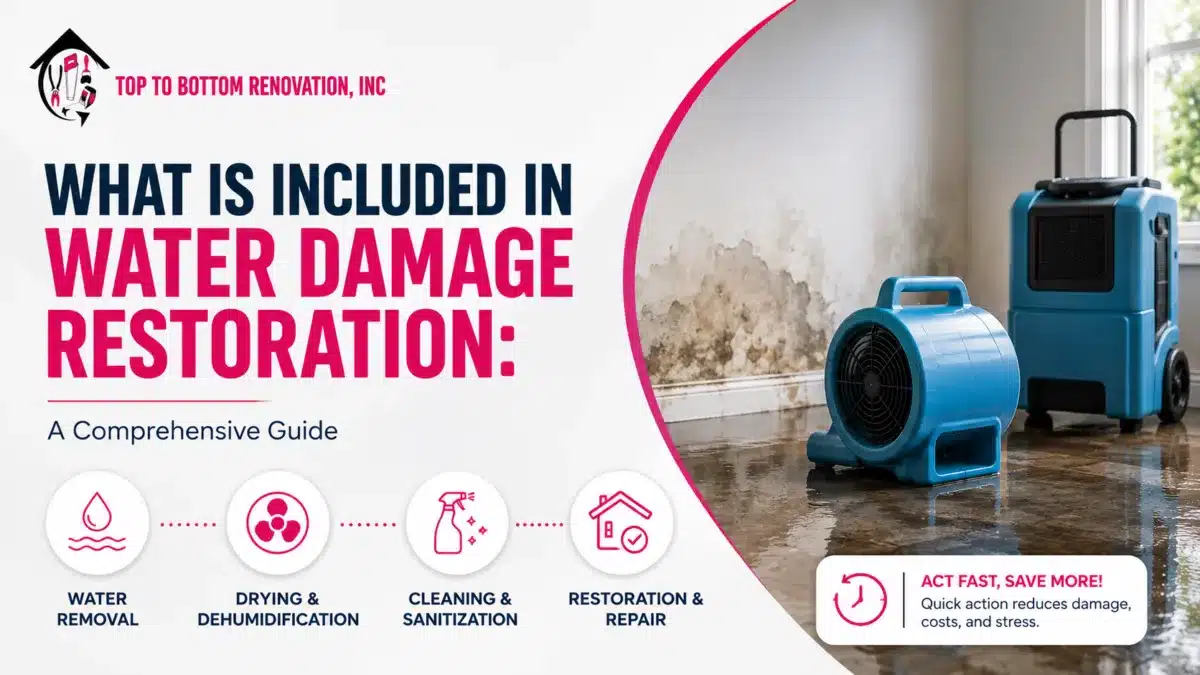
The restoration process commences with a thorough assessment of the damage. Water restoration professionals inspect the affected areas, identify the source of water damage, and determine the extent of the destruction. Understanding the severity of the situation highlights the importance of immediate water damage solutions. Early action helps to minimize further damage and reduce overall costs.
Water Removal
With the help of an assessment, the focus shifts to removing standing water from the property with a professional water removal service. Using vacuums, specialized pumps, and other industry-grade water extraction equipment, experts swiftly eliminate excess water. It also prevents further saturation of building materials and mitigates the risk of mould growth.
Drying and Dehumidification
After water removal, the property undergoes a thorough drying and dehumidification process. A team of restoration experts deploys dehumidifiers and moisture meters to extract the residual moisture from floors, walls, and other surfaces. This is a critical step for preventing mould and mildew growth, safeguarding the occupants and preserving the structural integrity of your property.
Cleaning and Sanitization
Once the property is dry, professionals embark on a comprehensive cleaning and sanitization. Using antimicrobial treatments and specialized cleaning agents. They eliminate lingering contaminants, bacteria, and odours. This step ensures that your property is not only visually restored but also safe and sanitary for occupancy.
Key Considerations during Water Damage Restoration
-
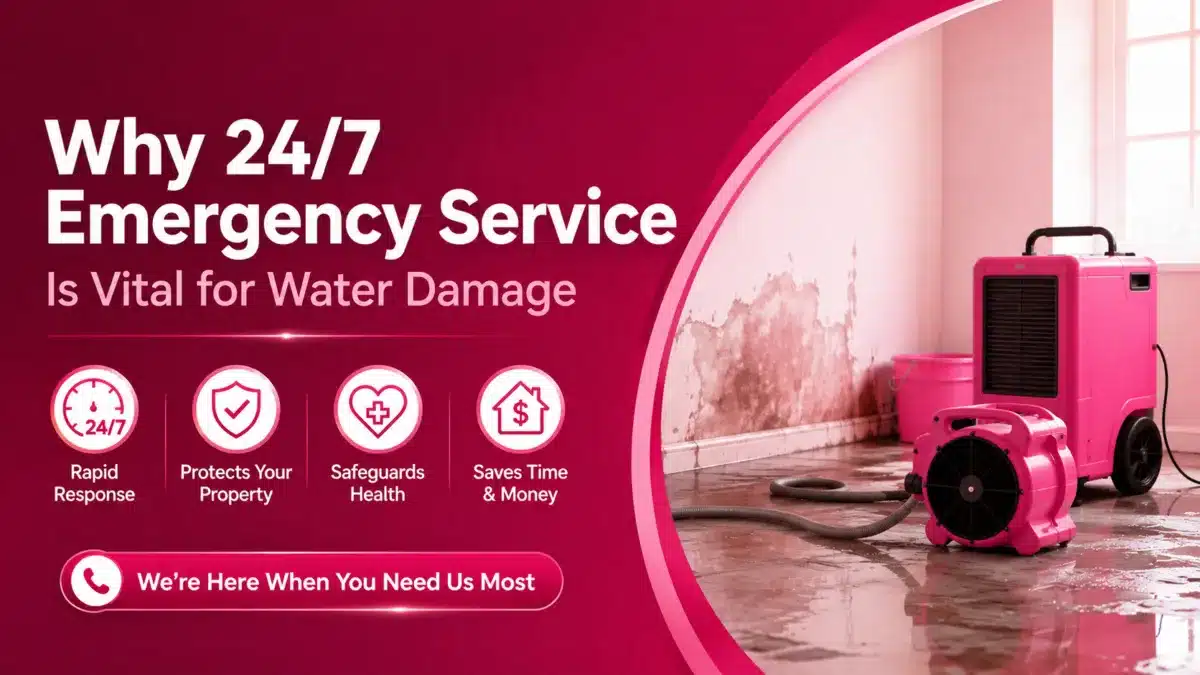
Time Sensitivity: Time plays a significant role in water restoration. Swift action is paramount in minimizing damage and reducing costs. Delaying can lead to further deterioration, increased mould growth, and prolonged displacement for occupants.
-
Professional Expertise: Choosing a reliable water restoration company ensures the restoration process is handled correctly from start to finish. Experienced professionals possess the knowledge, skills, and equipment necessary to navigate the complexities of water damage restoration effectively.
-
Insurance Coverage: Understanding insurance coverage for water damage restoration is essential for property owners. Keeping detailed records of restoration work also helps support reimbursement and reduces unnecessary delays.
-
Health and Safety: Protecting health and safety is the top priority during water restoration. It protects occupants while ensuring the property is restored to a clean and secure condition.
-
Structural Integrity: Water damage can compromise the structural integrity of a property. A complete restoration process includes inspecting these areas to confirm they remain safe and stable.
Water restoration is a multifaceted process. It requires careful planning, expertise, and execution. By understanding the steps and considering key factors, you can navigate the restoration process effectively and achieve successful outcomes. Contact us whenever you want to get professional assistance after water damage.
Popular Posts
September 7, 2026
August 14, 2026
Leave a Reply