What Mistakes Should You Avoid After Fire and Smoke Damage Restoration?
Summary
Avoid costly setbacks after fire and smoke damage restoration by understanding the most common post-restoration mistakes homeowners make. From hidden smoke residue and lingering odors to poor air quality and delayed repairs, these issues can impact your home’s safety and long-term value.
If you’ve recently gone through fire and smoke damage restoration, you already know how overwhelming the experience can be. The relief of seeing your home cleaned up and repaired is real, but the important question is: what happens after the restoration?
As a restoration company, we’ve seen homeowners like you unintentionally undo good work simply because they weren’t sure what to do next. Let’s understand how you can avoid common mistakes with confidence.
Things You Should Never Do After Restoring Your Property from Fire and Smoke Damage
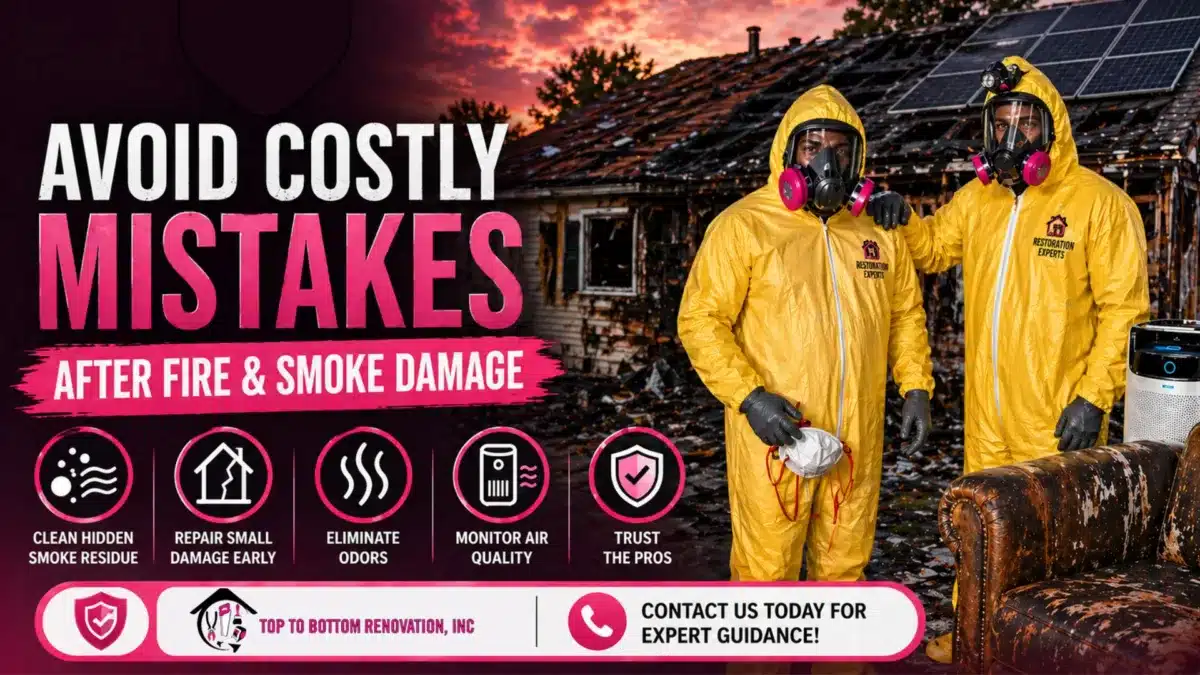
1. Ignoring Hidden Smoke Residue
One of the biggest misconceptions is believing that once surfaces look clean, the job is done. Smoke particles are incredibly fine and can settle deep into walls, ceilings, insulation, and even HVAC systems.
The problem with this mistake is that the residue left behind can cause long-term odor issues and even affect indoor air quality. We always recommend thorough post-restoration inspections and, when needed, professional-grade air filtration.
2. Delaying Repairs on Minor Structural Damage
After fire and smoke damage restoration, small cracks, weakened materials, or slightly damaged surfaces might seem harmless. But over time, these minor issues can turn into costly structural problems. Unfortunately, untreated damage can worsen with humidity, temperature changes, or regular use. Taking care of these repairs early helps preserve the integrity of your home and prevents repeat restoration work down the line.
3. Overlooking Odor Elimination
Smoke odor has a way of lingering in the most unexpected places: fabrics, carpets, furniture, and even inside walls. Many of you assume basic cleaning or air fresheners will solve the problem. In reality, odor removal requires specialized techniques like thermal fogging or ozone treatment.
We’ve seen cases where clients thought the issue was resolved, only to notice the odor creeping back weeks later in warmer or more humid conditions. Proper deodorization is essential, and you should never overlook that.
4. Not Monitoring Indoor Air Quality
After fire and smoke damage cleanup, the air inside your home may still carry microscopic particles, which can affect breathing, especially in elderly individuals, children, or anyone with respiratory conditions. This mistake often happens because air quality isn’t something you can easily see. Simple steps like using air purifiers, replacing HVAC filters, and scheduling follow-up inspections can make a significant difference in maintaining a safe environment.
5. Trying DIY Fixes Instead of Professional Follow-Up
It’s understandable to want to handle things yourself after going through a stressful restoration process. However, certain aspects like deep cleaning, structural assessment, or mold prevention require professional expertise. DIY solutions may even make things worse. Find experienced restoration professionals near you to ensure that your property is fully stabilized and protected for the long term.
6. Neglecting Documentation for Insurance and Future Needs
Many homeowners don’t realize the importance of keeping detailed records after restoration. Photos, invoices, and reports can be crucial for insurance claims, resale value, or future repairs. We always advise keeping everything organized and accessible. It’s a simple step that can save a lot of frustration down the road.
Wrapping Up!
Recovering from a fire is never easy, and what you do afterwards plays a crucial role in protecting your home and your peace of mind. To learn more about restoration services, explore our blogs now. If you’re unsure about next steps and seeking expert guidance, contact us today to restore your home with confidence and peace of mind.
Popular Posts
September 7, 2026

August 14, 2026
Leave a Reply